Skin Care After Shaving for Men Who Want Calm, Clear Healthy Skin
Good skin care after shaving is not only about stopping irritation for a few minutes. Shaving removes facial hair while also creating friction across the skin, which can leave the face feeling dry, tight, sensitive, or uncomfortable if the skin is not treated properly afterward. A simple post-shave routine can help restore comfort, support the skin barrier, and keep the face looking cleaner and healthier.
For men who shave regularly, the right routine does not need to involve dozens of products. Understanding how to prepare the skin, shave carefully, cool and moisturize afterward, and avoid common mistakes can make a noticeable difference. At Old Fashioned Barbershop in Stockholm, traditional shaving and modern grooming techniques are combined to help create a smoother shave while giving the skin the attention it needs before and after the razor.
Why Skin Care After Shaving Matters
Shaving affects more than the visible beard. A razor passes directly across the surface of the skin, removing hair while also disturbing some of the oils and dead skin cells that normally protect it. If too much pressure is applied or the same area is shaved repeatedly, the skin may become more sensitive and prone to redness.
This is why skin care after shaving men should focus first on calming and protecting the skin rather than immediately applying strong fragrances or heavy styling products. The minutes immediately after shaving are especially important because the skin may be more reactive than usual.
A good routine can help reduce dryness, maintain hydration, and make regular shaving more comfortable. It can also support a cleaner appearance by reducing the temptation to repeatedly touch or scratch irritated areas.
What Happens to Your Skin When You Shave?
A close shave creates controlled friction between the blade, facial hair, shaving product, and skin. Even when performed correctly, the process can temporarily reduce the skin's natural protective oils and leave the surface feeling more exposed.
Hair may also be cut extremely close to the skin. If the shaving technique, direction, or blade condition is unsuitable, some hairs can curl back toward the skin as they grow. This is one reason shaving technique and post-shave care should be considered together rather than treated as separate steps.
Men with naturally dry or sensitive skin may notice tightness more quickly, while men with oilier skin may be more concerned about clogged pores or bumps. The best skin care after shaving routine therefore depends partly on your individual skin type.
Start With Proper Skin Preparation Before You Shave
Post-shave comfort actually begins before the razor touches your face. Trying to shave coarse, dry facial hair without preparation creates more resistance and may encourage you to press harder with the razor.
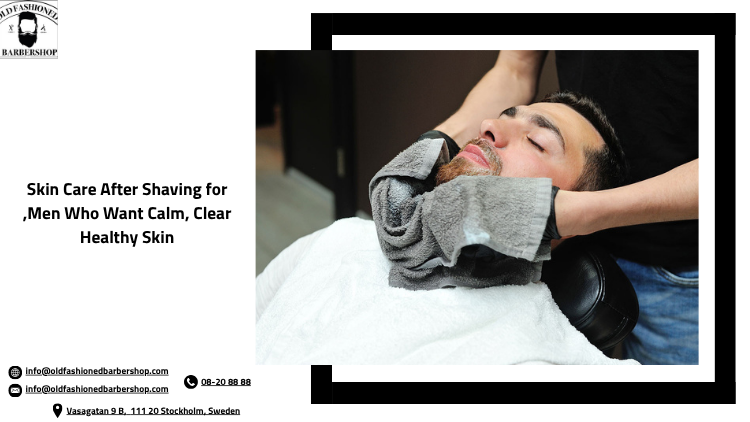
Warm water can soften facial hair and prepare the area for shaving. Traditional barbering often takes this idea further by using warm towels before the shave. If you want to understand how temperature and moisture are used during traditional grooming, our guide to Hot Towels for Your Face explains how the technique fits into the overall shaving experience.
Preparing the beard properly can help the razor move more smoothly, reducing unnecessary passes over the same section of skin.
Can a Steam Towel Help Before Shaving?
A warm or steam towel can be a useful part of shaving preparation because heat and moisture help soften facial hair before cutting. This does not mean the towel should be excessively hot. The aim is comfort and preparation, not intense heat on the face.
The technique can be particularly enjoyable when combined with traditional barbering because it creates a more deliberate grooming process rather than a rushed dry shave. Our detailed article on the steam towel face experience explains how warm towel preparation is commonly incorporated into professional grooming.
Good preparation can reduce the need to repeatedly scrape over difficult areas, which may make the skin feel calmer once the shave is finished.
Use a Clean Sharp Razor
Even the best skin care after shaving routine cannot completely compensate for a dull or poorly maintained blade.
A dull razor may pull at facial hair instead of cutting it cleanly, causing you to apply additional pressure or make repeated passes. A blade that has not been cleaned properly can also collect shaving product, hair, and residue between uses.
Whether you prefer a modern razor or a more traditional shaving method, inspect the blade regularly and replace or maintain it when needed. Clean tools are an important part of both shaving performance and skin care.
Avoid Excessive Pressure While Shaving
A common assumption is that pressing harder produces a closer shave. In reality, excessive pressure can increase friction and make the skin more uncomfortable afterward.
Allow the razor to perform the cutting. Use controlled movements and avoid repeatedly shaving the same area unless necessary. If you constantly need several passes to remove the hair, the issue may be preparation, blade quality, shaving direction, or technique rather than insufficient pressure.
Professional traditional shaving places a strong emphasis on blade control. A barber hot towel shave combines skin preparation, shaving technique, and finishing care as parts of one complete grooming service.
What Should You Do Immediately After Shaving?
Once the shave is complete, remove any remaining shaving cream or product gently. Cool or comfortably lukewarm water can help remove residue without exposing freshly shaved skin to unnecessary heat.
Pat the face dry with a clean towel rather than rubbing aggressively. Freshly shaved skin may be more sensitive to friction, so vigorous drying can undermine the care you took during the shave itself.
The next step should usually focus on hydration and comfort. Choose a post-shave product appropriate for your skin type and apply it gently across the shaved area. If your skin commonly reacts to strong fragrances or alcohol-heavy products, consider using a simpler formula designed for sensitive skin.
Moisturising Is One of the Most Important Post-Shave Steps
Shaving can leave the skin feeling dry because the process removes some surface oil along with hair. Applying an appropriate moisturizer afterward helps restore hydration and can reduce the tight feeling that some men experience after shaving.
Men with oily skin should not automatically skip moisturizer. Instead, choose a lighter product that suits your skin type. Men with dry skin may prefer a richer formula, particularly during colder weather when the face may lose moisture more quickly.
Good skin care after shaving men should be adjusted according to how their skin behaves rather than relying on one routine for everyone.
Should You Use Aftershave?
The term "aftershave" can refer to several different types of products, from traditional alcohol-based splashes to soothing balms and moisturizing lotions.
A traditional splash can create a refreshing sensation, but some formulas may feel strong on dry or sensitive skin. Balms are often designed to provide more moisturizing comfort. Neither option is automatically best for every man.
The important point is to judge the product according to your skin. If something consistently leaves your face excessively tight, dry, or uncomfortable, it may not be the right post-shave choice for you.
How to Calm Redness After Shaving
Some temporary redness can occur after a close shave, especially around sensitive areas of the neck or jaw. The first step is to avoid making the irritation worse.
Do not repeatedly rub the skin, apply excessive fragrance, or immediately shave the area again. Keep the routine simple and use products that your skin already tolerates well.
Cooling the skin gently and applying a suitable moisturizer can help improve comfort. If irritation occurs frequently after every shave, it is worth reviewing the entire process rather than focusing only on the product applied afterward. Blade condition, preparation, pressure, and shaving direction may all contribute.
Shaving With the Grain Versus Against the Grain
Facial hair does not grow in the same direction across the entire face. On the cheeks it may grow downward, while around the neck it can grow diagonally or even change direction across a small area.
Shaving with the direction of growth is generally gentler. Going against the grain can create a closer result, but it may also increase irritation for some men, particularly around the neck.
If your skin repeatedly becomes uncomfortable after shaving, experiment with fewer against-the-grain passes and focus on improving preparation instead. A slightly less aggressive shave can sometimes produce a better overall result because the skin remains calmer and healthier.
Pay Extra Attention to the Neck
The neck is often one of the most difficult shaving areas because hair growth can be less predictable and the skin moves more easily than it does on the cheeks.
Before shaving, identify the direction in which your neck hair grows. Avoid stretching the skin excessively and making several rapid passes across the same location.
This is one of the areas where professional shaving technique can be useful. A traditional barber hot shave is performed with preparation and controlled technique rather than simply attempting to remove the maximum amount of hair as quickly as possible.
Do Not Touch Your Face Constantly After Shaving
Freshly shaved skin can feel unusually smooth, making it tempting to run your hands across the face repeatedly. However, your hands naturally come into contact with many surfaces throughout the day.
After completing your skin care after shaving routine, try to leave the skin alone. This is especially important if you are prone to bumps or irritation.
The same applies to collars and clothing. If your neck has been shaved closely, rough or tight fabric rubbing continuously against the area may contribute to discomfort.
Avoid Strong Exfoliation Immediately After a Close Shave
Exfoliation can be useful within a general skin-care routine, but timing matters.
Shaving itself already creates mechanical exfoliation because the razor removes some dead surface cells. Using a strong scrub immediately afterward can add unnecessary friction to skin that has just been shaved.
If exfoliation is part of your normal routine, consider doing it at a different time depending on your skin's tolerance. Gentle, consistent care is usually more helpful than trying to perform every skin-care step immediately after shaving.
How to Prevent Razor Bumps
Razor bumps can occur when cut hairs curl back toward the skin as they begin to grow. They are especially common in areas where facial hair is curly or grows at an angle.
Good preparation, using a clean, sharp blade, reducing excessive pressure, and avoiding unnecessarily close repeated passes can all help improve the shaving process.
It can also be useful to learn the natural direction of your beard growth. Shaving aggressively against the grain may give an extremely close finish at first but can be problematic for some skin and hair types.
If razor bumps are a recurring problem, changing technique can often be more important than simply adding another post-shave product.
Traditional Shaving and Post-Shave Comfort
Traditional barber shaving is designed as a sequence rather than a single razor pass. Preparation, warm towels, shaving product, careful blade work, cleaning, and finishing steps all contribute to the experience.
Men interested in a professional barber shave Stockholm experience may particularly appreciate this slower and more structured approach.
The benefit is not simply nostalgia. Taking more time with preparation and technique can encourage a more controlled shave, which is valuable for men who normally rush through grooming at home.
Hot Towel Shaving as Part of Men's Grooming
A professional hot towel shave can combine several elements that are often skipped during home shaving. The beard is prepared, the shaving area is softened, and the barber can work with the natural growth pattern of the facial hair.
Our guide to hot towel shave Stockholm explores the traditional service in more detail.
For men who experience irritation because they shave too quickly at home, watching how a professional barber approaches preparation and blade control can also provide useful insight into improving their routine.
Common Skin Care After Shaving Mistakes
A strong post-shave routine is often more about avoiding unnecessary irritation than adding more products. Many men make their routine complicated when the skin actually needs fewer steps performed more carefully.
Applying Too Many Products
Using several toners, fragrances, serums, balms, and creams immediately after shaving may overwhelm sensitive skin. Choose products because they serve a purpose rather than because you believe every post-shave routine requires many steps. A gentle, compatible moisturizer and sensible shaving technique can be more valuable than a crowded bathroom shelf.
Rubbing the Face Dry
A rough towel can create additional friction immediately after shaving. Patting the skin dry takes only a few seconds longer and is gentler on areas that have just been exposed to the razor.
Shaving the Same Area Repeatedly
Trying to catch every microscopic remaining hair can turn a comfortable shave into an irritating one. If an area consistently requires many passes, reassess your preparation, blade, or shaving direction instead of continually scraping across the skin.
Using Very Hot Water After Shaving
Very hot water can leave already-sensitive skin feeling more uncomfortable. Comfortable lukewarm or cooler water is usually a better choice for rinsing away the remaining shaving product once the shave is complete.
Ignoring Your Skin Type
A product that works perfectly for one man may feel too heavy, too drying, or too fragranced for another. Good skin care after shaving men should always account for individual skin behavior rather than following a single rigid routine.
Skin Care After Shaving for Dry Skin
Dry skin generally benefits from keeping the shaving process gentle and restoring moisture soon afterward. Avoid allowing shaving products to dry completely on the face before the razor reaches them, and try not to use excessively hot water.
After shaving, use a moisturizing product appropriate for your skin and avoid repeatedly washing the area throughout the day.
During colder Stockholm weather, dry indoor heating and low outdoor temperatures can make moisture loss more noticeable, so your routine may need to become slightly more hydrating during winter.
Skin Care After Shaving for Oily Skin
Men with oily skin may be tempted to use very strong cleansing products after shaving in an attempt to remove all oil. This can sometimes leave the skin feeling stripped and uncomfortable.
Instead, cleanse thoroughly but gently and choose a lightweight moisturizer. Keeping the skin hydrated does not necessarily mean making it greasy.
It is also important to wash shaving tools carefully because hair, product residue, and oil can accumulate between uses.
Skin Care After Shaving for Sensitive Skin
If your skin reacts easily, simplicity is particularly important.
Use comfortable water temperatures, avoid unnecessary pressure, keep the blade clean, and limit repeated passes. After shaving, choose products you already know your skin tolerates and avoid introducing several new formulas at the same time.
If a product consistently produces strong discomfort, stop using it rather than assuming that burning or severe stinging is a necessary part of shaving.
How Often Should Men Shave?
There is no ideal shaving frequency for every man.
Some men prefer a daily clean shave, while others shave every few days. Beard growth rate, preferred appearance, profession, personal style, and skin sensitivity all influence the schedule.
If your skin regularly feels irritated, shaving less frequently may give it more time between sessions. Alternatively, adjusting your technique may allow you to maintain your preferred schedule more comfortably.
The quality of the shave is often more important than simply how often it happens.
Professional Shaving at Old Fashioned Barbershop
A good shave should leave more than a smooth surface. It should fit naturally into your overall grooming routine and leave the skin feeling comfortable rather than unnecessarily stressed.
At Old Fashioned Barbershop in Stockholm, traditional barbering techniques are combined with careful preparation and modern men's grooming. Whether you want a classic shave, hot towel experience, haircut, beard service, or advice on maintaining your grooming routine at home, the service can be adapted to your personal style and facial hair.
If your current skin care after shaving routine still leaves you dealing with regular irritation or you simply want to experience a more traditional approach, book your appointment with Old Fashioned Barbershop and enjoy professional men's grooming in central Stockholm.
Frequently Asked Questions
What should I put on my skin immediately after shaving?
Start by rinsing away remaining shaving product and gently patting the face dry. A suitable moisturizer or post-shave balm can then help restore hydration and improve comfort. Choose a product according to your skin type rather than automatically using a strong alcohol-based aftershave.
What is the best skin care after shaving for men?
The best routine is usually simple: prepare the facial hair properly, use a clean, sharp razor, avoid excessive pressure, rinse after shaving, gently dry the skin, and moisturize. Skin care after shaving men should also be adjusted for dry, oily, sensitive, or combination skin.
Should I wash my face after shaving?
You should rinse away shaving cream, soap, and loose hairs after the shave. Avoid aggressive scrubbing immediately afterward because freshly shaved skin may be more sensitive to friction.
Is a hot towel good before shaving?
A comfortably warm towel can help soften facial hair and prepare the shaving area. Traditional barbering often uses warm towels as part of a structured shaving process, although the towel should never be uncomfortably hot.
Should I use hot or cold water after shaving?
Comfortably cool or lukewarm water is generally a sensible choice after shaving. Very hot water may make freshly shaved skin feel more irritated, particularly if your skin is naturally dry or sensitive.
How can I prevent redness after shaving?
Use good preparation, a sharp, clean blade, controlled pressure, and fewer unnecessary passes. After shaving, avoid rubbing the skin and apply a suitable moisturizing or soothing product. If redness occurs every time you shave, review your shaving technique as well as your post-shave products.
Can I moisturize immediately after shaving?
Yes. Applying a suitable moisturizer after rinsing and gently drying the face can help restore hydration that may have been reduced during shaving.
Why does my neck get irritated after shaving?
Neck hair often grows in several different directions, and the skin in this area can move easily during shaving. Repeatedly shaving against the grain or using excessive pressure can increase discomfort. Mapping the direction of your neck hair can help improve technique.
Is a professional hot towel shave good for sensitive skin?
A professional shave allows the barber to prepare the facial hair and use controlled shaving techniques, but individual skin sensitivity varies. Tell your barber if you have particularly reactive skin so the grooming approach can be adjusted accordingly.
Where can I get a professional shave in Stockholm?
Old Fashioned Barbershop offers traditional men's grooming and professional shaving services in Stockholm. You can combine shaving with a haircut, beard trim, or other grooming services depending on the look you want to achieve.
